
Where every culture tells a unique story.
Discover your Gateway to Culture. Sarawak, Borneo’s gem, with 34 ethnic groups. Explore Iban Pua Kumbu, Bidayuh bamboo dances, Melanau tall houses, and Gawai Dayak celebrations. Visit longhouses and heritage trails.
Brooke Memorial
The Brooke Memorial in Kuching stands as a tribute to Charles Brooke, the second White Rajah of Sarawak. Erected in 1924, the memorial commemorates the legacy of Brooke, who ruled Sarawak from 1868 to 1917. The monument is located near the Old Courthouse and features a bronze bust of Charles Brooke, surrounded by intricate plaques that depict important moments in Sarawak’s history under Brooke rule. It reflects the significant impact the Brooke dynasty had on the development and modernization of Sarawak during colonial times.

Miri Handicraft Centre
Discover local craftsmanship at its best with a variety of handmade beadwork, rattan baskets, and wood carvings by Sarawakian artisans.
Bau Town (Bau)
A charming town steeped in Chinese heritage and gold-mining history, known for its traditional temples and unique cultural blend.
Sibu Heritage Centre
Explore the history and heritage of Sibu, focusing on the early Chinese settlers, the Foochow community, and their cultural contributions.
Opening Hours: 9:00 AM - 5:00 PM daily.
Distance: 20 km from Sibu Airport; 2 km from Sibu city center.
Contact: +6084-336 077.
Mukah Town (Mukah)
A center of Melanau culture, Mukah is known for its sago production and the annual Kaul Festival.
Opening Hours: Open daily.
Distance: 7 km from Mukah Airport; 1.8 km from Mukah city center.
Culture Festivals
Plan your visit around major festivals like Gawai Dayak (celebrated by the Iban and Bidayuh communities) and Kaul Festival (celebrated by the Melanau). These events offer a unique opportunity to experience traditional rituals, music, dance, and feasts firsthand.
Longhouse Stays
Experience Sarawak’s indigenous cultures by staying in a traditional Iban or Bidayuh longhouse. These communal homes offer a glimpse into the daily life of the people and provide a chance to participate in activities like weaving, traditional cooking, and harvesting.
Traditional Arts and Craft
Support local artisans by visiting markets that sell Pua Kumbu (traditional Iban woven fabric) and Sarawak beads. In some areas, you can also participate in weaving workshops to learn about these time-honored techniques.
Cultural Performances
Attend a Ngajat dance performance, a traditional warrior dance of the Iban, or listen to Sape music, a traditional lute played by the Orang Ulu people. Cultural villages like the Sarawak Cultural Village regularly host such performances.
Traditional Headhunting Stories
While headhunting is no longer practiced, the tales of Sarawak’s past are still shared through oral storytelling traditions. Visiting local museums or attending cultural events can give you an understanding of this part of the region’s history.
Respect Local Customs
When visiting longhouses or participating in cultural events, be respectful of local customs. Dress modestly and be sure to ask before taking photographs of people or sacred places. Bringing a small gift as a token of appreciation is also a common practice when visiting a longhouse.
Borneo Cultural Museum
The Borneo Cultures Museum is a world-class museum that showcases the cultural and natural heritage of Sarawak and Borneo. Spread across five floors, it features interactive exhibits, galleries, and collections of artifacts reflecting the rich history and biodiversity of the region.
Sarawak Museum (Kuching)
Located along the Kuching Waterfront, the Chinese History Museum offers an insightful look into the history and contributions of Sarawak's Chinese community, with exhibits highlighting immigration, culture, and traditions.
Nanga Sumpa Longhouse (Batang Ai)
A traditional Iban longhouse located in the remote Batang Ai rainforest, perfect for cultural immersion and jungle adventures.
Opening Hours: Open with prior arrangement.
Distance: 200 km from Kuching.
Contact: +6082-456 788.
Chinese History Museum
Located along the Kuching Waterfront, the Chinese History Museum offers an insightful look into the history and contributions of Sarawak's Chinese community, with exhibits highlighting immigration, culture, and traditions.
Kampung Budaya Melayu (Kuching)
A cultural village showcasing Malay heritage with traditional houses, food stalls, and performances.
Opening Hours: 9:00 AM - 5:00 PM daily.
Distance: 15 km from Kuching International Airport; 10 km from Kuching city center.
Contact: +6082-846 321.
Bario Highlands (Kelabit Highlands)
A serene retreat in the highlands, known for organic farms and traditional Kelabit hospitality.
Opening Hours: Open daily.
Distance: Accessible by a short flight from Miri.
Contact: +6085-796 788.
Tua Pek Kong Temple (Kuching)
One of the oldest and most iconic Chinese temples in Sarawak, known for its beautiful architecture and cultural significance. Opening Hours: 8:00 AM - 5:00 PM daily. Distance: 11 km from Kuching International Airport; located in Kuching city center. Contact: +6082-244 680.
Long Lamai (Baram)
A remote Penan village offering insights into traditional forest survival skills and Penan culture. Opening Hours: Open with prior arrangement. Distance: Accessible by a flight to Miri, followed by a river journey.
Melanau Tall House (Mukah)
A traditional high-rise wooden house of the Melanau people, elevated to protect from floods.
Opening Hours: 9:00 AM - 5:00 PM daily. Distance: 1.8 km from Mukah city center.
Contact: +6084-872 512.
Old Kuching Heritage Trails (Kuching)
A historical walk through Kuching’s old neighborhoods, showcasing colonial architecture and cultural landmarks.
Opening Hours: Open daily.
Distance: Located in Kuching city center.
Kampung Annah Rais (Padawan)
A traditional Bidayuh longhouse known for its cultural experiences and nearby hot springs.
Opening Hours: Open daily.
Distance: 65 km from Kuching International Airport; 60 km from Kuching city center.
Serian Town (Serian)
Serian Town (Serian) A charming town celebrated for its fruit markets and Dayak culture, especially during the durian season.
Opening Hours: Open daily.
Distance: 60 km from Kuching city center.
Batang Ai National Park
A national park with rainforest trekking, wildlife viewing, and Iban longhouse experiences.
Opening Hours: Open daily.
Distance: 275 km from Kuching city center. Contact: +6082-248 088.
Tebedu Border Town (Tebedu)
Tebedu Border Town (Tebedu) A cultural exchange hub between Sarawak and Indonesia, known for its local crafts and trade.
Opening Hours: Open daily.
Distance: 80 km from Kuching city center.
Old Court House
The Old Court House in Kuching is a beautifully preserved colonial building that has been transformed into a vibrant cultural and social hub. Originally built in 1874, it was the administrative and judicial center during the White Rajah era. Today, it is home to a mix of cafés, restaurants, a bar, and the Ranee Museum, making it a must-visit spot for both history buffs and food enthusiasts.
Floating Mosque
The Floating Mosque, officially known as Masjid India Kuching, is an architectural marvel located on the Sarawak Riverbank. This modern mosque appears to float on water during high tide, offering stunning views of the river and surrounding areas. Its sleek design blends Islamic motifs with modern architecture, making it a popular spot for both worshippers and tourists. The mosque is particularly captivating at sunset when its golden domes reflect beautifully on the water.
Cat Museum
As Kuching translates to “cat” in Malay, the Cat Museum is a quirky and fun museum dedicated to all things feline. It features exhibits on the history, mythology, and cultural significance of cats.
Fort Alice
Built in 1864, Fort Alice was a defensive structure in Sri Aman used to control the Lupar River. It played a key role in suppressing piracy and maintaining order during the Brooke era.
Fort Slyvia
Fort Sylvia was built in 1880 by Charles Brooke to prevent upriver Iban attacks. The fort now serves as a museum, preserving Kapit’s colonial and ethnic history.
Islamic Heritage Museum
The Islamic Heritage Museum in Kuching focuses on the history and influence of Islam in Sarawak, featuring religious artifacts, manuscripts, and exhibits on the contribution of Muslims to the region’s development.
Sarawak Culture Village
Known as a “living museum,” the Sarawak Cultural Village is an interactive cultural experience showcasing traditional longhouses and cultural performances from various Sarawak ethnic groups, including Iban, Bidayuh, and Melanau.
Annah Rais Long House
An authentic Bidayuh longhouse nestled in the highlands of Padawan, offering a unique insight into traditional village life and local customs.
Opening Hours: Open daily, advance arrangement recommended.
Distance: 65 km from Kuching International Airport; 60 km from Kuching city center.
Contact: +6082-876 988.
Rumah Penghulu Gerinang
An Iban longhouse in Betong known for its rich heritage, where visitors can participate in traditional activities like dance, Tuak tasting, and folklore storytelling.
Opening Hours: Open daily with prior arrangement.
Distance: 250 km from Kuching city center.
Contact: +6083-470 122.
Explore the Uncharted and Untamed.Discover your Gateway to Adventure in Sarawak, home to UNESCO sites like Gunung Mulu and Niah Caves. Experience mountain climbs, diving, jungle treks, and kayaking in its natural wonders.
Explore the Uncharted and Untamed.Discover your Gateway to Adventure in Sarawak, home to UNESCO sites like Gunung Mulu and Niah Caves. Experience mountain climbs, diving, jungle treks, and kayaking in its natural wonders.
Mulu National Park
Gunung Mulu National Park is a UNESCO World Heritage Site known for its incredible limestone karst formations, including the world's largest cave chamber (Sarawak Chamber) and stunning pinnacles. The park is also home to one of the most intricate cave systems in the world and rich biodiversity, making it a major draw for adventure seekers and nature lovers.
Niah National Park
Recently recognized as a UNESCO World Heritage Site, Niah National Park is renowned for its archaeological significance. The park is home to the Niah Caves, where the remains of prehistoric humans and artifacts, including cave paintings, have been discovered. These findings provide insight into the early human settlement of Borneo, making it a culturally rich destination.
Bako National Park
Established in 1957, Bako National Park is the oldest national park in Sarawak. It is famous for its unique rock formations, lush mangroves, rainforests, and proboscis monkeys. The park offers a wide variety of habitats, from beaches to jungle trails, and is perfect for nature lovers and adventure seekers alike.
Semadang Kayak Adventure
Overview
Semadang Kayak is one of the most popular outdoor activities in Sarawak, offering an eco-friendly way to experience the pristine beauty of the Sarawak River in the Semadang area, about 40 km from Kuching. The adventure allows participants to paddle along a scenic river route through the Borneo rainforest, passing by local villages, waterfalls, and wildlife. It's a family-friendly activity that blends nature, adventure, and local culture, with opportunities for picnics by the riverbanks and visits to native villages.
Semadang Kayak Adventure typically offers half-day or full-day kayaking experiences suitable for both beginners and experienced kayakers. The guided tours provide insights into the local flora and fauna, and there's often a chance to swim in the refreshing river or take short hikes to hidden waterfalls along the way.
Climate
Temperature: Sarawak has a tropical climate with temperatures ranging between 23°C to 32°C throughout the year. Rainfall: The heaviest rainfall occurs during the monsoon season from November to February, but kayaking is still possible, although rain may affect visibility and water levels. The dry season from March to October is ideal for kayaking due to the calmer river conditions.
Local Tips
What to Wear: Wear lightweight, quick-dry clothing and bring a change of clothes for after the tour. Water shoes or sandals with good grip are recommended for walking on the rocky riverbanks. Waterproof Gear: Protect your belongings with waterproof bags, especially your phone, camera, and any valuables. Guides may provide dry bags, but it’s always good to come prepared. Safety: Life jackets are provided, and the river route is generally safe for beginners. Follow the guides' instructions closely, especially during the rainy season when water levels can rise. Cultural Etiquette: The tour often includes visits to local villages, so it’s good to respect local customs and ask before taking photos.
Best Time to Visit
The dry season from March to October is the best time to enjoy kayaking, as the weather is drier, the water is calm, and visibility is clearer. Morning tours are recommended for cooler weather and better wildlife sightings, as animals tend to be more active early in the day.
Activities
Kayaking: The main activity is paddling along the scenic Semadang River, passing by bamboo forests, limestone cliffs, and rural villages. The river is calm, making it ideal for beginners and families.
Wildlife Spotting: Along the river, you may spot local wildlife such as kingfishers, monitor lizards, and other native bird species.
Swimming: The river has several safe spots for swimming, so be sure to take advantage of the opportunity to cool off in the clear waters.
Picnicking: Most tours include a riverside picnic where you can enjoy local food in a serene natural setting.
Village Visits: Some packages offer visits to local Bidayuh villages, where visitors can learn about traditional Bidayuh culture, including their unique longhouses and farming practices.
Hiking Trails/Additional Activities
Short Waterfall Treks: Along the kayak route, there are several waterfalls accessible via short hikes, offering a refreshing break from paddling.
Cave Exploration: Some tours also include stops at limestone caves that are part of the natural landscape in the Semadang area.
Mount Santubong
Mount Santubong, located just 35 km from Kuching, is a popular spot for hiking and offers a challenging trek through lush rainforests. At 810 meters above sea level, the summit provides panoramic views of the South China Sea, the mangroves, and the nearby river deltas. The climb is well-loved by adventure seekers for its combination of steep rope climbs, rock scrambling, and dense jungle paths.
Fairy Cave
Located in Bau, about 50 km from Kuching, Fairy Cave is a stunning limestone cave that offers visitors a unique experience with its impressive stalactites, stalagmites, and moss-covered rocks. The cave gets its name from its fairy tale-like ambiance, especially with sunlight streaming through openings in the cave walls, giving the cavern an enchanting atmosphere. The cave has multiple trails, including the Twilight Trail and Dark Trail, providing an adventurous experience for hikers and nature lovers. There are viewing platforms and lighting installed to enhance the visual experience of this natural wonder.
Sarawak River Cruise
Overview
The Sarawak River Cruise offers a unique and scenic way to explore Kuching, the capital city of Sarawak, from a new perspective. The cruise takes you along the Sarawak River, providing panoramic views of Kuching's skyline, historical landmarks, and traditional Malay villages. As you glide along the river, you can admire key attractions like the Astana, Fort Margherita, the State Legislative Assembly Building (DUN), and the iconic Darul Hana Bridge. The cruise is particularly beautiful at sunset when the city lights reflect off the water, making it a popular evening activity for tourists and locals alike.
The cruise typically lasts between 1 to 1.5 hours, with the option to choose a sunset cruise or a daytime journey. Some cruises also include onboard entertainment, such as live traditional music or cultural performances, making it a relaxing and culturally enriching experience.
Climate
Temperature: Sarawak has a tropical rainforest climate, with temperatures typically ranging from 23°C to 32°C.
Rainfall: The wettest months are from November to February due to the monsoon season. However, cruises are still available during this period, though rain may occasionally affect visibility and comfort.
Humidity: High humidity is present throughout the year.
Local Tips
Best View: For the best views and photo opportunities, choose a spot on the upper deck of the boat, where you can enjoy unobstructed views of the skyline and riverbanks.
What to Bring: Don’t forget your camera or smartphone to capture the beautiful views of Kuching’s landmarks. Bringing a light jacket is also recommended, as the breeze over the water can make the evenings cooler.
Timing: The sunset cruise is highly recommended for its breathtaking views as the sun sets over the city. Arrive at the pier early to secure a good seat.
Best Time to Visit
The dry season from March to September is the best time to enjoy the Sarawak River Cruise, as the weather is more predictable, and you are more likely to experience clear skies and sunsets. Evening cruises are particularly popular for catching the sunset and seeing the city lights along the riverbanks.
Activities to Do
Sightseeing: The cruise offers excellent views of Kuching’s most famous landmarks, including the Astana (the Governor's residence), Fort Margherita, and the Sarawak State Legislative Assembly Building.
Cultural Performances: Some river cruises feature live entertainment, such as traditional Malay music, Bidayuh bamboo dances, or cultural storytelling, providing a taste of Sarawak’s rich heritage.
Photography: The cruise offers plenty of opportunities for taking stunning photos of Kuching’s skyline, particularly around sunset when the city is bathed in golden light.
Relaxation: Enjoy the peaceful experience of drifting along the river, making it an ideal activity for unwinding after a day of exploring the city.
Batang Ai Boat Trips
Batang Ai, located 275 km from Kuching, is renowned for its tranquil rivers and stunning rainforest surroundings. Boat trips in Batang Ai allow visitors to explore the rivers while visiting traditional Iban longhouses, where they can experience local culture and hospitality. These longhouse stays provide an authentic glimpse into the Iban way of life, including activities like traditional dances, cooking, and storytelling. The natural beauty of Batang Ai, combined with its rich cultural heritage, makes it a unique destination.
ATV Riding
Overview
ATV riding (All-Terrain Vehicle) in Sarawak is an exhilarating way to explore the region’s rugged landscapes, rural areas, and scenic countryside. From thrilling off-road adventures to peaceful rides through nature, ATV tours offer a unique opportunity for adrenaline-seekers to experience the beauty of Sarawak's rainforests, beaches, and villages. These guided tours are suitable for beginners and experienced riders alike, making them a great option for tourists looking for a mix of adventure and nature exploration.
Popular Locations for ATV Riding in Sarawak
Kampung Telaga Air (near Kuching): A popular spot for ATV rides, located just outside of Kuching. Riders traverse a variety of terrain, including muddy trails, beaches, and mangrove forests, offering a mix of off-road excitement and natural beauty.
Sematan Beach: ATV tours along Sematan’s coastline take riders through sandy beaches, rural villages, and coconut plantations, with stunning views of the South China Sea.
Borneo Highlands: ATV trails in the highlands provide a thrilling ride through cool mountain air and forested areas, offering breathtaking views of the highlands.
Climate
Temperature: Sarawak’s tropical rainforest climate means warm temperatures year-round, ranging from 23°C to 32°C.
Rainfall: The rainy season occurs from November to February, making the trails muddier and adding extra challenge for riders. The dry season from March to September offers better riding conditions with less rain and clearer skies.
Local Tips
Safety Gear: Helmets and safety gear are usually provided by tour operators, but it’s recommended to wear long sleeves and pants to protect against mud and scratches from vegetation.
What to Bring: Bring sunscreen, a hat, and insect repellent. Wear comfortable shoes that can get muddy, as ATV rides can be messy, especially during the rainy season.
Difficulty: Most ATV tours in Sarawak are beginner-friendly, with guides offering instructions and safety briefings before the ride. No prior experience is needed.
Advance Booking: It’s advisable to book ATV tours in advance, especially during peak travel seasons, as group sizes are usually limited.
Best Time to Visit
The dry season from March to September is the best time for ATV riding, offering more stable weather and better visibility. Morning rides are recommended for cooler weather, while afternoon rides can be hotter, especially on open trails like beaches.
Activities to Do
Off-road Adventure: Explore off-the-beaten-path trails that lead through rural villages, forests, and scenic coastlines.
Nature Spotting: Many ATV routes pass through mangroves and rainforests, offering opportunities to spot local wildlife, such as monkeys, birds, and monitor lizards.
Photography: The unique landscapes of Sarawak make for excellent photo opportunities, so bring a waterproof camera or use a phone with a waterproof case to capture the adventure.
Tanjung Datu Coastal Trekking
Tanjung Datu National Park, located on the southwestern tip of Sarawak, is home to pristine beaches, diverse flora and fauna, and some of Sarawak's most breathtaking coastal trails. The park is a haven for nature lovers and features opportunities to see sea turtles nesting on its beaches. The coastal trekking routes take visitors through beautiful landscapes, including mangroves, rainforests, and remote beaches, offering a sense of serenity and wilderness.
Rock Climbing
Overview
Sarawak offers an exciting array of rock climbing opportunities for both beginners and experienced climbers, with its dramatic limestone cliffs, caves, and natural rock formations. The region’s untouched wilderness and scenic landscapes make it a climber's paradise, with rock climbing routes that range from easy to challenging, set amidst the backdrop of lush tropical rainforests.
Popular Rock Climbing Locations in Sarawak
1. Fairy Cave, Bau Located about 50 km from Kuching, Fairy Cave is one of the most popular rock climbing destinations in Sarawak. The limestone cliffs here offer a variety of climbing routes, ranging from beginner-friendly climbs to more challenging routes for experienced climbers. The towering cliffs, coupled with the unique cave formations, provide a scenic and thrilling climbing experience. Climbers are often treated to stunning views of the surrounding landscape once they reach the top.
2. Batu Lawi, Kelabit Highlands Batu Lawi is a remote mountain located in the Kelabit Highlands near the border of Sarawak and Kalimantan, Indonesia. It is one of Sarawak’s most challenging climbing spots due to its remote location and rugged terrain. The twin peaks of Batu Lawi—one male and one female—are sacred to the local Kelabit people. Experienced climbers are drawn to its steep, technical rock faces, and the mountain is best suited for those with advanced climbing skills.
3. Mount Santubong Mount Santubong, located about 35 km from Kuching, offers both hiking and rock climbing experiences. While the summit hike is the most popular activity, certain sections of the trail feature rock scrambling and climbing. The view from the summit of Mount Santubong offers panoramic vistas of the South China Sea and the city of Kuching.
Climate
Temperature: Sarawak has a tropical rainforest climate, with temperatures ranging from 23°C to 32°C throughout the year.
Rainfall: The wet season from November to February brings heavy rains, which can make rock climbing difficult or unsafe due to slippery conditions. The dry season from March to September offers better weather for outdoor climbing, with clearer skies and less chance of rain.
Local Tips
Equipment: While some climbing spots, like Fairy Cave, have fixed routes, it's advisable to bring your own climbing gear (harness, helmet, ropes) if you're an experienced climber. For beginners, booking through a local tour or climbing guide is recommended, as they will provide the necessary equipment.
Climbing Season: The best time for rock climbing in Sarawak is during the dry season, from March to September, when the weather is more stable and the rock faces are less slippery. Permits: Some climbing spots, especially in protected areas like Batu Lawi, may require permits or permission from local authorities. It’s important to check in advance if permits are needed.
Best Time to Visit
The dry season from March to September is the best time to go rock climbing in Sarawak. The weather is more predictable, with fewer rain showers, making it ideal for outdoor climbing.
Hiking Trails/Activities
Fairy Cave Rock Climbing: Multiple climbing routes with different levels of difficulty. This area is ideal for those looking for scenic limestone climbs.
Batu Lawi: This is more of an expedition for experienced climbers and includes trekking through the Kelabit Highlands to reach the base of the mountain.
Mount Santubong: Offers a mix of trekking and rock scrambling. The trails are well-marked, and climbers will encounter sections that require basic rock climbing skills.
Borneo Highlands Resort
Located 1,000 meters above sea level, the Borneo Highlands Resort is an eco-friendly retreat known for its cool climate, serene environment, and nature-based activities. Visitors can enjoy jungle trekking, bird-watching, and visits to the resort’s organic farm. The resort offers panoramic views of the surrounding rainforests and is perfect for those seeking relaxation and nature immersion.
Island Hopping
Overview
Island hopping in Sarawak offers travelers the chance to explore the untouched beauty of the region’s pristine islands, marine life, and crystal-clear waters. Located off the coast of Sarawak, these islands provide a perfect escape for nature lovers, divers, and beachgoers, with stunning coral reefs, sandy beaches, and rich biodiversity.
Popular Islands for Island Hopping in Sarawak
1. Talang-Satang National Park Located just off the coast of Kuching, Talang-Satang National Park is a collection of four islands: Pulau Talang Besar, Pulau Talang Kecil, Pulau Satang Besar, and Pulau Satang Kecil. The park is known for its conservation efforts, particularly for sea turtle nesting, which takes place on the islands. Visitors can take part in sea turtle conservation programs, including observing hatchlings being released into the sea. Activities: Turtle watching, snorkeling, diving, and beach visits.
2. Tanjung Datu National Park Located on the southwestern tip of Sarawak, Tanjung Datu is known for its beautiful beaches, clear waters, and marine life. While the park is on the mainland, visitors can take boat trips to nearby islands and experience the vibrant marine ecosystem through snorkeling and diving. The park also provides an opportunity to witness nesting turtles. Activities: Snorkeling, diving, turtle watching, and beach exploration.
3. Pulau Lakei Situated near Bako National Park, Pulau Lakei is a small island known for its secluded beaches and serene environment. It's a popular day trip from Kuching, often combined with visits to Bako National Park. Visitors can enjoy hiking to scenic viewpoints, snorkeling in crystal-clear waters, and exploring the island's natural beauty. Activities: Beach activities, snorkeling, light hiking, and photography.
4. Turtle Islands (Pulau Talang Talang) Known for its significant role in turtle conservation, Turtle Islands offers a unique experience for travelers interested in wildlife and marine conservation. The islands are less developed, making them ideal for those looking for a more rustic and eco-friendly experience. Activities: Wildlife observation, snorkeling, turtle conservation tours, and photography.
Climate
Temperature: Tropical climate with temperatures ranging from 24°C to 32°C year-round.
Rainfall: The region experiences heavy rainfall from November to February during the monsoon season, so it’s best to visit during the drier months for clearer skies and better sea conditions.
Local Tips
Boat Tours: Most island hopping trips can be arranged through local tour operators in Kuching, who offer guided boat tours that often include multiple islands in one trip.
Turtle Watching: For those interested in seeing turtles, make sure to visit between April and September during the turtle nesting season.
Eco-tourism: Sarawak's islands are important for wildlife conservation, so always follow the guides' instructions, respect the local environment, and avoid disturbing wildlife, especially during turtle nesting.
Best Time to Visit
The dry season from March to September is the ideal time for island hopping in Sarawak, with calm seas and pleasant weather. This is also the best time for snorkeling and turtle watching.
Activities
Snorkeling & Diving: Explore vibrant coral reefs teeming with marine life around the islands.
Wildlife Watching: Observe nesting turtles on Talang-Satang islands and enjoy birdwatching around the parks.
Beach Picnics & Relaxation: The islands’ sandy beaches offer ideal spots for picnics and relaxation.
Conservation Programs: Participate in turtle conservation efforts by joining guided programs that teach about the species and allow visitors to witness hatchlings being released.
Snorkeling and Diving
Oveview
Sarawak’s coastline and nearby islands offer an exciting array of snorkeling and diving opportunities, allowing you to explore the underwater world of Borneo's marine life. From vibrant coral reefs to diverse marine species, Sarawak is a hidden gem for underwater enthusiasts.
Popular Snorkeling and Diving Spots in Sarawak
1. Miri-Sibuti Coral Reefs National Park Located off the coast of Miri, the Miri-Sibuti Coral Reefs National Park is one of Malaysia’s top diving destinations. The park covers an area of 186,930 hectares and boasts over 40 dive sites, with depths ranging from 7 to 30 meters, making it ideal for both beginners and experienced divers. The coral reefs are home to a variety of marine life, including reef sharks, barracudas, sea turtles, and an abundance of tropical fish. Activities: Scuba diving, snorkeling, and underwater photography. Visibility: Visibility ranges between 10 to 30 meters, depending on the season.
2. Tanjung Datu National Park Located on the southwestern tip of Sarawak, Tanjung Datu National Park is known for its pristine beaches, clear waters, and thriving marine life. The area is perfect for snorkeling, with shallow reefs close to the shore where you can see colorful corals, parrotfish, and butterflyfish. It's also a good spot for turtle watching, as the park is home to nesting sea turtles. Activities: Snorkeling, turtle watching, and beach exploration.
3. Talang-Satang National Park Talang-Satang National Park is Sarawak's first marine national park and consists of four islands: Pulau Talang Besar, Pulau Talang Kecil, Pulau Satang Besar, and Pulau Satang Kecil. The waters around these islands are rich with coral reefs and marine species, making it a great spot for snorkeling. The park is also an important sea turtle sanctuary, and visitors can often witness turtle hatchlings being released into the sea. Activities: Snorkeling, diving, and turtle conservation tours.
4. Pulau Lakei Near Bako National Park, Pulau Lakei is a small island with tranquil beaches and shallow coral reefs, perfect for snorkeling. It is less crowded compared to other tourist destinations, making it ideal for those looking for a peaceful snorkeling experience. Activities: Snorkeling, beach picnicking, and hiking.
Climate
Temperature: The average temperature ranges between 24°C to 32°C year-round.
Rainfall: The best time for snorkelling and diving is during the dry season from March to September, as visibility is at its peak and the waters are calmer. The monsoon season from November to February may bring heavy rainfall, reducing visibility underwater.
Local Tips
Best Visibility: For the clearest water and best visibility, plan your snorkeling and diving trips between April and September.
Turtle Watching: The best time for turtle watching at Talang-Satang National Park is between April and September, during the nesting season.
Equipment: Most tour operators and dive shops provide rental equipment, but it's always a good idea to check in advance and ensure that gear is well-maintained.
Snorkeling for Beginners: If you're new to snorkeling, Satang Island and Tanjung Datu National Park are excellent spots with shallow reefs close to the shore.
Best Time to Visit
March to September is the best time for snorkeling and diving in Sarawak, as the sea conditions are calmer, and visibility is clearer. Avoid the monsoon season from November to February, when heavy rains may disrupt marine activities.
Activities
Snorkeling and Diving: Explore vibrant coral reefs teeming with marine life, including turtles, reef sharks, and tropical fish. Underwater Photography: The clear waters of Sarawak's marine parks make it an ideal location for underwater photography. Marine Conservation: Participate in turtle conservation efforts in Talang-Satang National Park by joining programs that release hatchlings into the sea.
Jangkar Waterfall
Overview
Located near Lundu, about 90 km from Kuching, Jangkar Waterfall is one of the tallest waterfalls in Sarawak. The trek to reach the waterfall takes about 1-2 hours and involves walking through dense rainforest, crossing streams, and climbing rocks. The final reward is the stunning multi-tiered waterfall surrounded by lush greenery. Adventurous hikers will enjoy this moderately challenging trail.
Climate
Temperature: Tropical climate with temperatures ranging from 24°C to 32°C. Rainfall: The area experiences heavy rainfall from November to February during the monsoon season, making the trails more challenging.
Local Tips
Footwear: Wear sturdy, non-slip shoes, as the terrain can be slippery, especially after rainfall.
Guides: Consider hiring a local guide, as the trail isn’t well marked and river crossings can be tricky.
What to Bring: Bring waterproof gear, snacks, and plenty of water. Mosquito repellent is also a must.
Best Time to Visit
The dry season from March to September is the best time to visit Jangkar Waterfall, as the trail is less muddy and the river crossings are easier.
Hiking Trails/Activities
Trekking: The trek takes about 1-2 hours, depending on your pace and water levels in the rivers.
Swimming: Once you reach the waterfall, you can cool off in the natural pool at its base.
Kubah Waterfall
Overview
Located about 20 km from Kuching, Kubah National Park is home to multiple waterfalls, the most famous being the Rayu Waterfall. The park offers well-marked jungle trails leading to these waterfalls, and the hike is suitable for most fitness levels. The dense forest surrounding the trails is rich in biodiversity, with opportunities to spot wildlife.
Climate
Temperature: Warm and humid with temperatures between 24°C to 32°C year-round.
Rainfall: Frequent showers, especially from November to February, can make the trails wet but manageable.
Local Tips
Trail Difficulty: The Rayu Trail is considered moderate, so plan accordingly.
Start Early: Begin your trek in the morning to avoid the afternoon heat.
Wildlife: Keep an eye out for birds, frogs, and insects along the trail.
Best Time to Visit
March to September is ideal for hiking, as there’s less rain and the waterfalls are still flowing strongly.
Hiking Trails/Activities
Rayu Waterfall Trail: This 2-hour trek takes you through the rainforest to a picturesque waterfall where you can swim in the pool beneath it.
Other Trails: Explore additional trails in Kubah National Park, like the Summit Trail, for more challenging hikes.
Gunung Serapi
Gunung Serapi is a prominent peak within Kubah National Park and a popular destination for hiking enthusiasts. The trail leading to the summit is moderately challenging and rewards hikers with panoramic views of Kuching and the surrounding rainforest. Along the way, visitors can experience the rich biodiversity of Kubah National Park, including rare plants and birds.
Lambir Hills Waterfall
Overview
Located about 30 km from Miri, Lambir Hills National Park is famous for its many waterfalls, including the Latak Waterfall, which is a short 20-minute walk from the park’s entrance. The park has more challenging trails leading to Pantu and Dinding Waterfalls for more experienced trekkers. The park is known for its biodiversity, making the trek both scenic and educational.
Climate
Temperature: Warm year-round with temperatures between 24°C and 32°C.
Rainfall: Rainy months are from November to February, which can make the trails muddy.
Local Tips
Start Early: If you plan to visit the deeper waterfalls, start your trek early to return before nightfall.
Photography: The area is rich in wildlife and beautiful flora, so bring a camera for nature photography.
Best Time to Visit
March to September is the best time to visit for less rain and better trail conditions.
Hiking Trails/Activities
Latak Waterfall Trail: A short 20-minute trek leads to this beautiful waterfall, perfect for swimming and picnics.
Longer Trails: Explore more remote waterfalls like Pantu and Dinding, which require more effort but offer tranquility.
Gunung Gading
Located about 85 km from Kuching, Gunung Gading National Park is best known as the home of the world's largest flower, the Rafflesia, which can grow up to one meter in diameter. The park offers visitors a blend of rich rainforest, scenic waterfalls, and jungle trails. The Rafflesia bloom is the highlight, although it is unpredictable and can only be seen for a few days. Visitors can also trek through various trails, leading to stunning viewpoints and cascading waterfalls.
Jong's Crocodile Farm
Located about 30 km from Kuching, Jong's Crocodile Farm is the largest crocodile breeding center in Sarawak. The farm is home to a variety of crocodiles, from baby crocodiles to large adults, and offers visitors the opportunity to learn about these fascinating reptiles. Apart from crocodiles, the farm also houses other animals, such as monkeys, monitor lizards, and birds. Visitors can observe crocodiles during the exciting daily feeding sessions, where the massive reptiles leap out of the water to catch their food.
Wong Akub Waterfall
Overview
Located near Bau, about 30 km from Kuching, Wong Akub Waterfall is a hidden gem in the jungles of Sarawak. The trek to the waterfall is moderate, taking around 45 minutes and involving some river crossings and uphill climbs. The waterfall is small but serene, with crystal-clear water and surrounded by lush rainforest.
Climate
Temperature: Tropical climate with temperatures between 24°C and 32°C. Rainfall: The rainy season from November to February can make the trail slippery and challenging.
Local Tips
River Crossings: Be prepared for wet feet, as the trail involves crossing small streams.
Quiet Escape: Wong Akub is less frequented than other waterfalls, making it ideal for those looking for a quiet retreat in nature.
Best Time to Visit
March to September is the best time to trek, with less rain and more stable conditions on the trail.
Hiking Trails/Activities
Trekking: The trail to Wong Akub is a short but moderately challenging hike through dense jungle, suitable for adventurous trekkers.
Swimming: Enjoy the cool, clear waters of the waterfall’s pool after the trek.
Ulu Baram Waterfall
Overview
Situated in the remote Bario Highlands, Ulu Baram Waterfall offers visitors a scenic trek through the Kelabit Highlands, passing traditional villages, jungles, and rivers. The waterfall is part of the Baram River, which winds its way through the highlands. The trek is a multi-day adventure, perfect for those looking to combine nature and cultural experiences.
Climate
Temperature: Cooler highland temperatures ranging from 15°C to 25°C, making the trek comfortable.
Rainfall: Rainfall is frequent throughout the year, with the heaviest showers occurring from November to February.
Local Tips
Guides: Hire a local guide from one of the Kelabit villages, as the trail is remote and challenging.
Supplies: Bring enough food and water for the trek, as you’ll be far from any facilities.
Best Time to Visit
March to September is the best time to visit, as the weather is more stable, and trekking conditions are better.
Hiking Trails/Activities
Multi-day Trek: The trek to Ulu Baram Waterfall is part of a multi-day journey through the Bario Highlands, involving stays in local villages.
Cultural Experience: Experience the Kelabit culture by staying with local communities along the way.
Julan Waterfall
Overview
Julan Waterfall is one of the tallest and most remote waterfalls in Sarawak, located in the Ulu Baram region. The trek to Julan Waterfall is challenging, involving longboat rides, river crossings, and jungle trekking. The waterfall cascades from the cliffs of the Usun Apau Plateau, making it a dramatic and breathtaking sight. The remote nature of the waterfall means it’s rarely visited, offering a true off-the-beaten-path adventure.
Climate
Temperature: Warm tropical climate with temperatures between 24°C and 32°C.
Rainfall: The rainy season from November to February makes the trail more challenging but enhances the waterfall’s flow.
Local Tips
Guides and Permits: A local guide and permits are necessary for visiting Julan Waterfall, as the area is remote and the trail difficult to navigate.
Supplies: Bring enough food, water, and supplies for the trek, as there are no nearby facilities.
Best Time to Visit
The best time to visit is during the dry season from March to September, as the trail is less muddy and river levels lower.
Hiking Trails/Activities
Trekking: The trek to Julan Waterfall is long and demanding, taking several days and passing through dense jungle and rugged terrain.
Camping: Due to the remote nature of the waterfall, camping is required. Be prepared for a true wilderness experience.
Bengoh Dam Waterfalls
Overview
Located about 45 km from Kuching, Bengoh Dam is the gateway to a series of stunning waterfalls, including Curtain Waterfall and Pe'an Waterfall. After a scenic boat ride across the reservoir, you’ll embark on a short jungle trek to these secluded falls, surrounded by dense rainforest.
Climate
Temperature: Warm tropical climate between 24°C to 32°C.
Rainfall: Heavy rainfall from November to February may cause slippery trails but also enhance the waterfalls.
Local Tips
Boat Ride: The boat ride across the dam is scenic, so bring a camera for the panoramic views.
Packing Essentials: Pack water, snacks, and a waterproof bag to protect your belongings during the trek.
Best Time to Visit
March to September is the best time to visit, with clearer skies and calmer waters for the boat ride.
Hiking Trails/Activities Waterfall
Trekking: The trek to Curtain Waterfall and Pe'an Waterfall is relatively easy, making it a popular spot for families.
Swimming: Both waterfalls have natural pools where visitors can cool off after the hike.
Gunung Gading Waterfalls
Overview
Gunung Gading National Park, located about 85 km from Kuching, is best known for the Rafflesia, the world’s largest flower. However, the park is also home to several waterfalls, accessible via jungle trails. The trek to the waterfalls takes you through scenic rainforest terrain, with the highlight being Waterfall 7, which is ideal for a swim after your hike.
Climate
Temperature: Tropical climate with temperatures between 23°C and 31°C.
Rainfall: The wet season from November to February can make the trails more challenging, but the waterfalls will be more spectacular.
Local Tips
Wildlife: Keep an eye out for the Rafflesia flower, which blooms unpredictably. Check with the park office if there’s a bloom. Safety: The trails are well-marked, but bring plenty of water and wear good hiking shoes as some areas are steep.
Best Time to Visit
The dry season from March to September offers better trekking conditions and clearer skies.
Hiking Trails/Activities
Waterfall 7 Trail: A moderate 2-hour trek leads to this popular waterfall, which is perfect for swimming and picnics.
Rafflesia Trek: If lucky, you may spot the Rafflesia in bloom along certain trails.
Similajau Waterfalls
Overview
Located near Bintulu, Similajau National Park is known for its beautiful coastal rainforests, long stretches of golden beaches, and rich biodiversity. The park is home to several scenic waterfalls that can be reached via trekking through lush jungle trails. The waterfalls are a refreshing stop after a long hike, and the park itself is rich in wildlife, including crocodiles, hornbills, and various species of monkeys.
Climate
Temperature: Tropical climate with temperatures ranging from 24°C to 32°C.
Rainfall: Heavy rainfall occurs from November to February, which makes the waterfalls more vibrant but also the trails slippery.
Local Tips
Safety: Be cautious of wildlife, including crocodiles near rivers and estuaries.
Best Trail: Follow the Selunsur Rapids Trail for a scenic trek through the park’s diverse ecosystems.
Best Time to Visit
March to September offers clearer weather, making it easier to trek the trails and enjoy the park’s natural beauty.
Hiking Trails/Activities
Waterfall Trekking: Trek through the park’s dense rainforests to discover hidden waterfalls and rapids.
Wildlife Spotting: The park is rich in birdlife, and lucky visitors may spot dolphins near the coastline.
Three Sisters Waterfall
Overview
Located in Long San, in the Baram region of Sarawak, Three Sisters Waterfall is a remote and relatively unknown attraction. It’s called the Three Sisters due to the three distinctive cascading waterfalls that flow side by side. The trek to the falls offers a rugged jungle experience, with river crossings and challenging terrain.
Climate
Temperature: Warm tropical weather ranging between 23°C and 32°C.
Rainfall: The rainy season from November to February makes the trails harder to traverse but enhances the waterfalls' flow.
Local Tips
Accessibility: The waterfall is remote, and it's advisable to hire a local guide from Long San to navigate the trail.
Footwear: Wear sturdy hiking boots for the trek, as the path is challenging and can be slippery after rainfall.
Best Time to Visit
March to September is the best time for trekking, with clearer weather and lower river levels for crossings.
Hiking Trails/Activities
Trekking: The trail to the waterfalls is challenging, with river crossings, dense jungle, and some steep climbs.
Photography: The scenic waterfalls are perfect for nature photography, especially during the dry season.
Enseluai Waterfall
Overview
Enseluai Waterfall is located near Batang Ai National Park, a popular spot for eco-tourism and jungle trekking. The waterfall is accessible by longboat and a short trek from nearby Iban longhouses. Visitors can enjoy the pristine rainforest and clear waters, making it a perfect spot for swimming and picnicking.
Climate
Temperature: Warm tropical climate, with temperatures between 24°C and 32°C.
Rainfall: Heavy rainfall from November to February enhances the waterfall but may make the boat ride and trekking more difficult.
Local Tips
Longhouse Stay: Consider staying overnight in a traditional Iban longhouse near Batang Ai to experience local culture.
Boat Ride: The boat ride across Batang Ai Reservoir offers stunning views of the surrounding jungle and is an adventure in itself.
Best Time to Visit March to September is ideal for clearer weather and easier trekking conditions.
Hiking Trails/Activities
Boat Ride and Trek: Combine a scenic boat ride across the reservoir with a short jungle trek to the waterfall.
Swimming and Picnic: The waterfall’s clear waters make it perfect for swimming and relaxing by the falls.
Discover your Gateway to Nature in Sarawak! Spot orangutans, marvel at the Rafflesia, and trek to hidden waterfalls in lush rainforests like Lambir Hills and Bako National Park
Discover your Gateway to Nature in Sarawak! Spot orangutans, marvel at the Rafflesia, and trek to hidden waterfalls in lush rainforests like Lambir Hills and Bako National Park
Gunung Mulu National Park
Gunung Mulu National Park is a UNESCO World Heritage Site known for its incredible limestone karst formations, including the world's largest cave chamber (Sarawak Chamber) and stunning pinnacles. The park is also home to one of the most intricate cave systems in the world and rich biodiversity, making it a major draw for adventure seekers and nature lovers.
Niah National Park
Located near Miri, Niah National Park is home to the famous Niah Caves, where human remains over 40,000 years old were discovered. The second Sarawakian National Park to be awarded as a UNESCO World Heritage Site is rich in archaeological history and is also known for its dense rainforests and limestone formations.
Bako National Park
Bako National Park is the oldest national park in Sarawak, famous for its diverse ecosystems, which include mangrove swamps, rainforests, and coastal cliffs. The park is also known for its wildlife, especially the proboscis monkeys, and offers various scenic treks leading to hidden beaches.
Similajau National Park
Similajau National Park, located near Bintulu, is known for its golden beaches, coastal cliffs, and lush rainforests. The park is home to diverse wildlife, including Irrawaddy dolphins, saltwater crocodiles, and various bird species.
Gunung Gading National Park
Located near Lundu, Gunung Gading National Park is famous for the Rafflesia, the world’s largest flower, and features scenic waterfalls and jungle trekking trails. Visitors can explore the lush rainforests and enjoy the peaceful atmosphere of this compact yet beautiful park.
Kubah National Park
Located just 20 km from Kuching, Kubah National Park is famous for its dense tropical rainforests, waterfalls, and biodiversity. The park is a hotspot for birdwatchers and home to over 90 species of palm trees. It also houses the Matang Wildlife Centre, where visitors can observe orangutans and other wildlife.
Tanjung Datu National Park
One of Sarawak's smallest and most remote parks, Tanjung Datu is located at the southwestern tip of Sarawak, featuring unspoiled beaches, crystal-clear waters, and dense rainforests. It is a haven for nature lovers and known for its sea turtle conservation efforts.
Lambir Hills National Park
Located near Miri, Lambir Hills National Park is renowned for its rich biodiversity, waterfalls, and diverse plant life. It is also a birdwatcher’s paradise with over 230 bird species recorded. The park features multiple trekking trails that cater to both casual walkers and experienced hikers.
Batang Ai National Park
Batang Ai is best known for its orangutans and Iban longhouses. The park offers an immersive experience into traditional Iban culture, as well as excellent wildlife watching opportunities in the surrounding forests and lake areas.
Loagan Bunut National Park
Loagan Bunut is Sarawak’s largest natural lake and is famous for its seasonal water levels, which fluctuate throughout the year. This makes the park ideal for birdwatching and fishing. During the dry season, the lake completely dries up, revealing a unique landscape.
Talang-Satang National Park
Talang-Satang is a marine national park consisting of several small islands and beaches, primarily set aside as sea turtle sanctuaries. The park plays a crucial role in the conservation of endangered green turtles and hawksbill turtles.
Maludam National Park
Maludam National Park is known for its peat swamp forest and is home to rare and endangered wildlife, including the red banded langur and proboscis monkeys. The park is also important for its bird species.
Santubong National Park
Located near Kuching, Santubong National Park is famous for its stunning coastline and the imposing Mount Santubong, which offers one of the most challenging hikes in Sarawak.
Rajang Mangroves National Park
The Rajang Mangroves National Park is an important wetland area located along the Rajang River, known for its extensive mangrove swamps and wildlife. It’s home to various species, including estuarine crocodiles, proboscis monkeys, and migratory birds.
Piasau Nature Reserve
Located in Miri, Piasau Nature Reserve is a relatively new conservation area that was once a residential area for workers in the oil industry. The reserve is best known for the hornbill population, particularly the Oriental Pied Hornbill.
Pulong Tau National Park
Located in the highlands of central Sarawak, Pulong Tau National Park is known for its remote, rugged terrain and is home to the Kelabit and Lun Bawang communities. The park also features a mix of montane forests and peaks, including the towering Mount Murud, the highest peak in Sarawak.
Indulge in flavor - Discover food from every corner of Sarawak
Sarawak, located on the island of Borneo in Malaysia, is known for its rich and diverse culinary heritage, influenced by its multi-ethnic population, including the Iban, Chinese, Malay, Bidayuh, and Orang Ulu communities. The food in Sarawak blends traditional ingredients from the rainforest with influences from these various cultures, resulting in a unique and flavorful cuisine.
Belacan Bee Hoon
A unique dish of rice vermicelli served with a shrimp paste-based gravy, topped with cuttlefish, century eggs, and cucumber.
Kompia
A Foochow-style baked bread, similar to a bagel, usually stuffed with minced meat or eaten plain.
Kueh Chap
A mixed rice noodle dish with soy-based gravy, served with a variety of pork parts, tofu, and egg.
Rojak Kuah
A spicy-sweet fruit salad with a mix of vegetables, fruits, and deep-fried dough fritters tossed in a prawn paste sauce.
Cucur Udang
Deep-fried prawn fritters, often enjoyed as a snack with sweet and spicy chili sauce.
Tumpik
A traditional Melanau pancake made with sago and filled with grated coconut and brown sugar.
Sotong Kangkung
A dish of blanched cuttlefish mixed with water spinach and topped with peanut sauce and chili.
Keropok Lekor
Deep-fried fish crackers made from ground fish and sago, often served with chili dipping sauce.
Apam Balik
A thick or thin pancake filled with crushed peanuts, corn, and sugar, folded over to create a crunchy snack.
Mee Jawa
A noodle dish with a rich sweet and slightly spicy gravy, often served with boiled eggs, tofu, and fritters.
Char Kueh
A snack made from stir-fried rice cake pieces with soy sauce, eggs, and pickled radish.
Pisang Goreng
Deep-fried banana fritters, a popular snack at roadside stalls.
Kuih Lapis
Sarawak's famous multi-layered cake, commonly sold during markets and food festivals.
Satay
Grilled skewers of seasoned meat, served with peanut sauce, cucumber, and onions.
Popiah
Fresh spring rolls filled with a variety of vegetables, shrimp, and sometimes ground peanuts.
Bubur Pedas
A spicy porridge made with vegetables, herbs, and spices, commonly eaten during Ramadan.
Teh C Peng Special
A three-layered iced tea made with black tea, evaporated milk, and palm sugar syrup (gula apong). This drink is refreshing and sweet, a Sarawak specialty.
Kedondong Juice
A sour and tangy juice made from kedondong fruit, often served with a sour plum for extra flavor.
Ice Cream Gula Apong
A Sarawakian ice cream made with gula apong (palm sugar), offering a rich and aromatic flavor.
Kopi O
Traditional black coffee, popular in coffee shops throughout Sarawak.
Milo Dinosaur
A popular Malaysian drink, made with iced Milo and topped with an extra layer of Milo powder.
Tuak
A traditional Iban rice wine, often consumed during the Gawai Festival and other celebrations.
Barley Water
A refreshing drink made from barley, sugar, and water, often served cold.
Bandung
A sweet drink made with rose syrup and evaporated milk, often served iced.
Butter Coffee
-
Sarawak Laksa
A rich, flavorful noodle soup with a prawn-based broth, often topped with shredded chicken, prawns, and a side of sambal and lime.
Kolo Mee
Savory dry noodles typically served with minced pork or beef, spring onions, and slices of barbecued meat.
Ayam Pansuh
Chicken cooked in bamboo with lemongrass, ginger, and tapioca leaves, a traditional Iban dish.
Umai
A Melanau delicacy of raw fish salad mixed with lime juice, onions, and chilies.
Manok Kacangma
Chicken cooked with ginger and Chinese rice wine, popular among the Chinese community in Sarawak.
Midin
Stir-fried jungle fern, usually with garlic or belacan (shrimp paste).
Kampua Mee
A Foochow noodle dish similar to Kolo Mee, served dry with slices of meat and sometimes with a chili sauce.
Prawn Noodles (Mee Udang)
Noodles served in a rich, flavorful broth made with prawns.
Terung Dayak Soup
A sour and tangy soup made with local Dayak eggplant and often combined with fish or other proteins.
Linu
A traditional Melanau sticky dish made from sago starch, often eaten with savory dips.
Ikan Terubuk Masin
Salted fish served alongside rice and usually paired with sambal or chili sauce.
Dabai
Often called the "Sarawak Olive," dabai is eaten either raw with a bit of salt or stir-fried with garlic and soy sauce.
Kek Lapis Sarawak
Colorful layered cake, usually served during festivals and celebrations, with unique patterns and flavors.
Kek Lapis Sarawak
Famous colorful layered cakes, intricately designed and popular during festivals like Hari Raya, Gawai, and other celebrations.
Kuih Lapis
Traditional steamed layered cake made with rice flour and coconut milk, a simpler version of the Sarawak layered cake.
Kuih Sago
A chewy, jelly-like dessert made from sago pearls, often flavored with pandan and served with coconut milk.
Bubur Cha Cha
A sweet coconut milk dessert with tapioca pearls, sweet potatoes, and yam.
Cendol
A popular iced dessert made with green rice flour jelly, coconut milk, and gula apong syrup, topped with shaved ice.
Kuih Talam
A two-layered cake with a top layer made of coconut milk and a bottom layer made from pandan-flavored rice flour.
Kuih Seri Muka
A traditional kuih with a glutinous rice base and pandan-flavored custard on top.
Onde-Onde
Small glutinous rice balls filled with palm sugar and coated with shredded coconut.
ABC (Ais Batu Campur)
A popular shaved ice dessert mixed with red beans, sweet corn, grass jelly, and drizzled with syrups like palm sugar and rose.
Matherhon
This is a refreshing and sweet dessert that usually consists of jellies, fruit cocktail, and syrup over shaved ice. It is often topped with evaporated milk or condensed milk for extra creaminess.
White Lady
A popular dessert in Kuching, White Lady is made with a combination of shaved ice, evaporated milk, syrup, fruit cocktail, and sometimes jellies or lychee. It’s a refreshing, colorful treat, perfect for cooling down on a hot day.
Sarawak is home to diverse festivals that celebrate its vibrant culture, traditional music, and rich food heritage, offering a year-round experience of community and festivities.
Sarawak is home to diverse festivals that celebrate its vibrant culture, traditional music, and rich food heritage, offering a year-round experience of community and festivities.
Rainforest World Music Festival
One of Sarawak’s most iconic events, the Rainforest World Music Festival (RWMF) is a three-day celebration of world music, held in the heart of the Borneo jungle. It features performances by local and international artists from diverse cultural backgrounds. The festival includes workshops, cultural displays, and food stalls, creating a unique fusion of music and nature.
Dates
Annually June/July
Next Year: 20th - 22nd June 2025
💡 MASOC SUPPORTERS TRAVEL TIPS & TRANSIT ADVICE
Verified travel protocols for ASEAN spectators arriving for Sarawak 2027.
100% ZERO-FARE TRANSIT PASS
All Sukan SEA spectators can board official MASOC Shuttles running every 10 minutes to ride completely free to and from sports venues!
CLIMATE & SUPPORTER WEAR
Sarawak has warm tropical weather averaging 31°C. Head over to our official store catalog and buy lightweight moisture-wicking Sarawak sports gear in the tab above!
MDAC PORTAL ENTRY LANES
ASEAN spectators must register on the Malaysia Digital Arrival Card (MDAC) website 3 days before touchdown in Kuching International Airport for swift entry lanes.

Venue Name
Overview Description
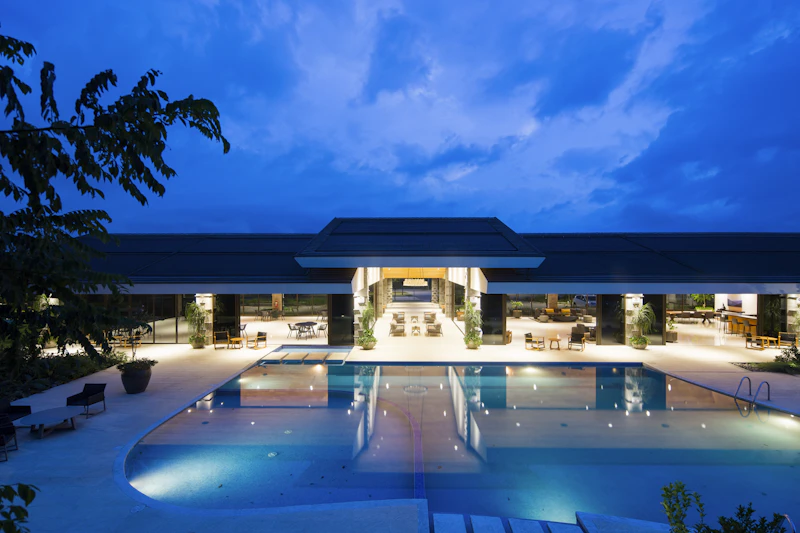
This venue provides a modern and comfortable environment for sporting events, competitions, and visitors. The facility is equipped with various amenities and is designed to accommodate athletes, spectators, and event organisers.
🧭 SATELLITE GRID VIEW
KUCHING WATERFRONT & DARUL HANA BRIDGE
An elegant, scenic esplanade along the Sarawak River. Perfect to walk with a local cup of Sarawak Tea. Cross the beautiful curvy Darul Hana Bridge to observe the Sarawak DUN Building lit up with glowing visuals at night.
Walk directly along Waterfront Esplanade or board Central Hub Shuttle. LRT Station #3 Darul Hana provides direct access.